Cash on Delivery across Pakistan · Delivery in 3–5 working days · WhatsApp 0301 8633968

How to Wash and Care for Hand Embroidered Dupattas & Chadars
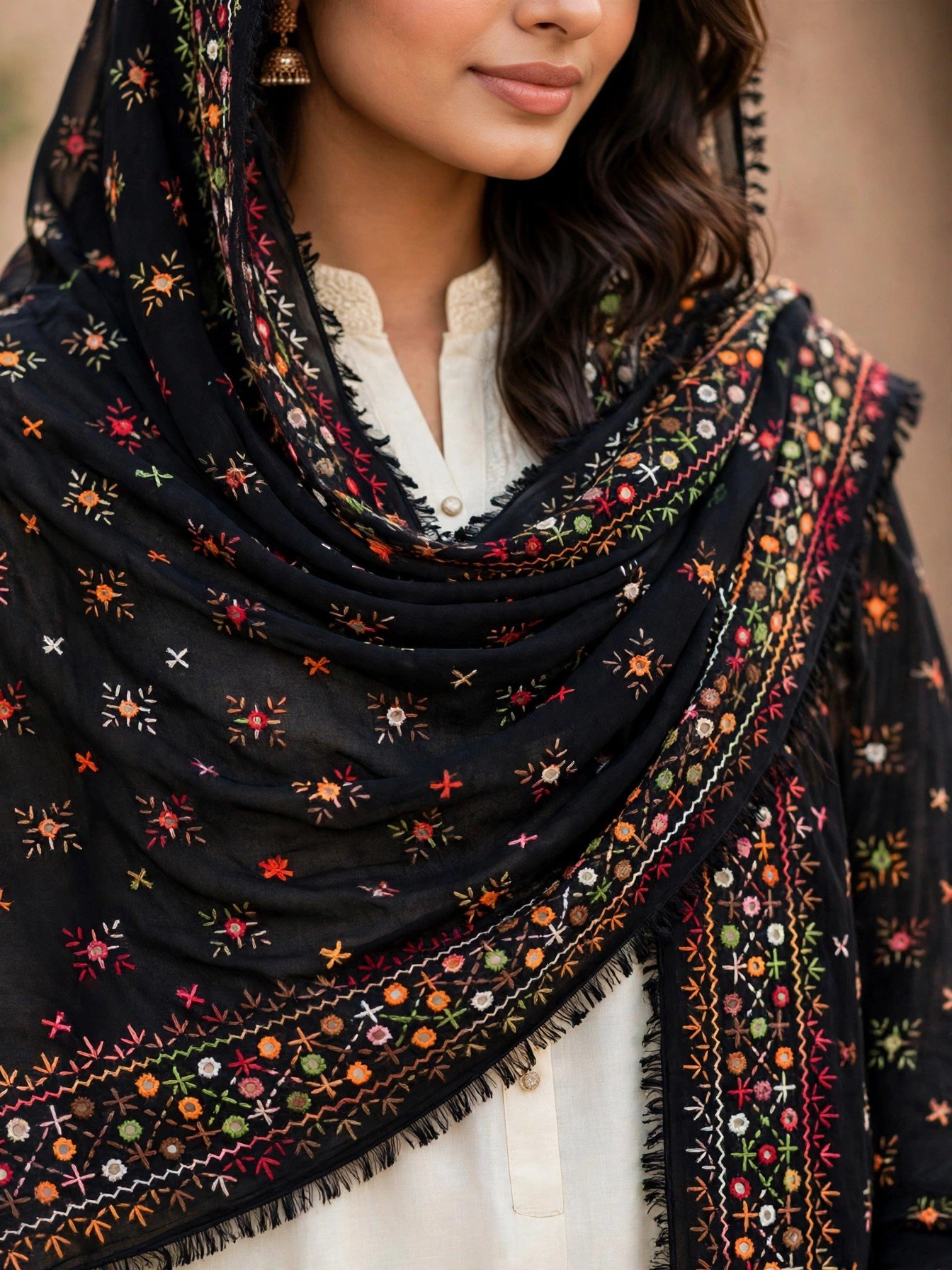
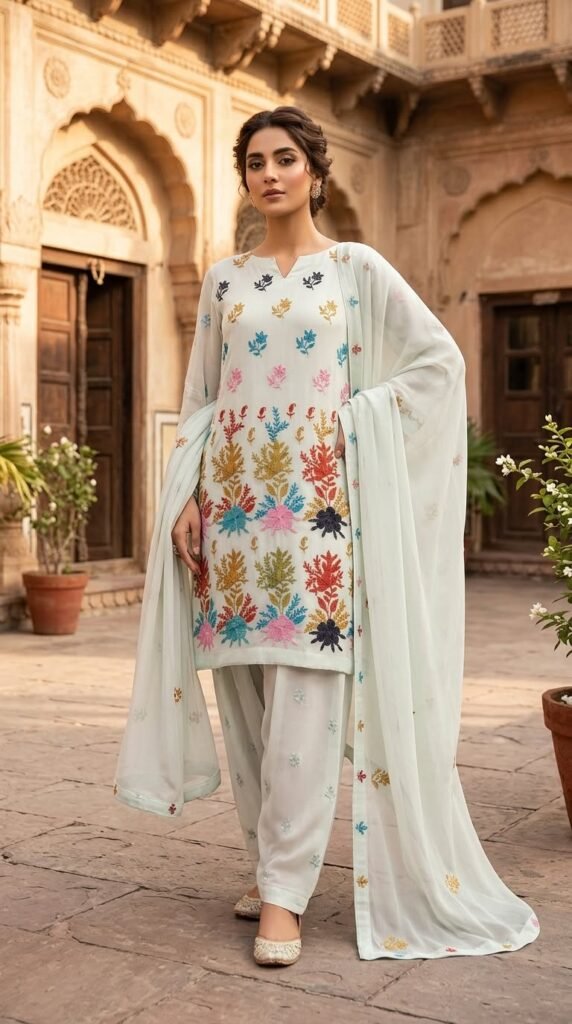
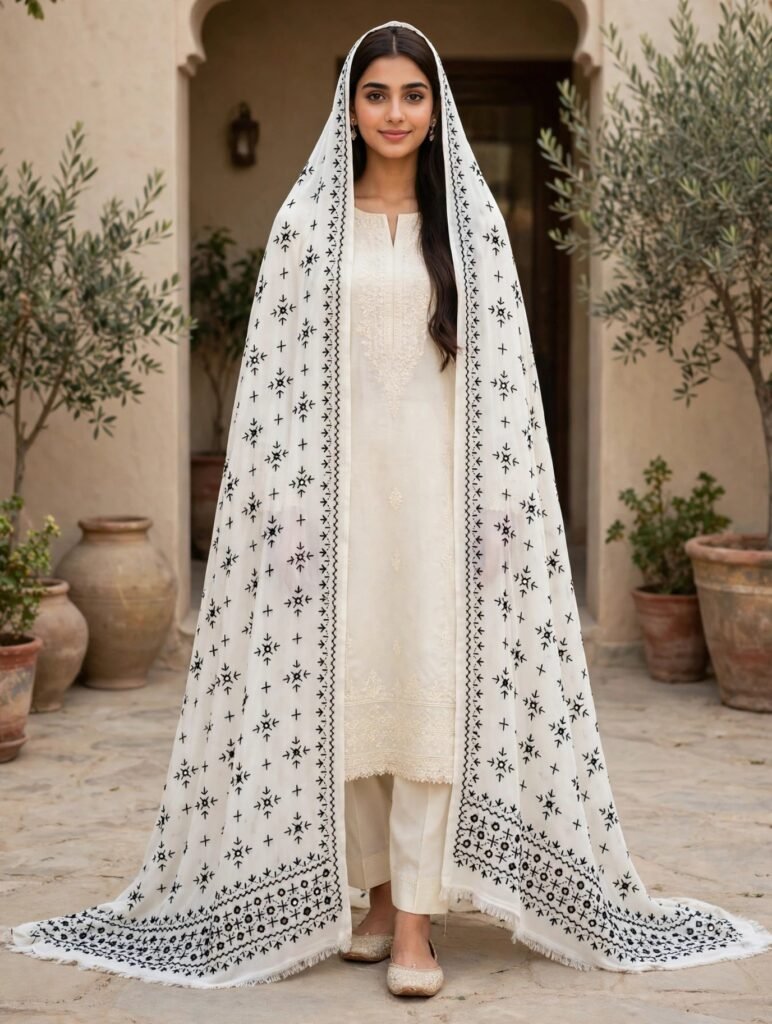
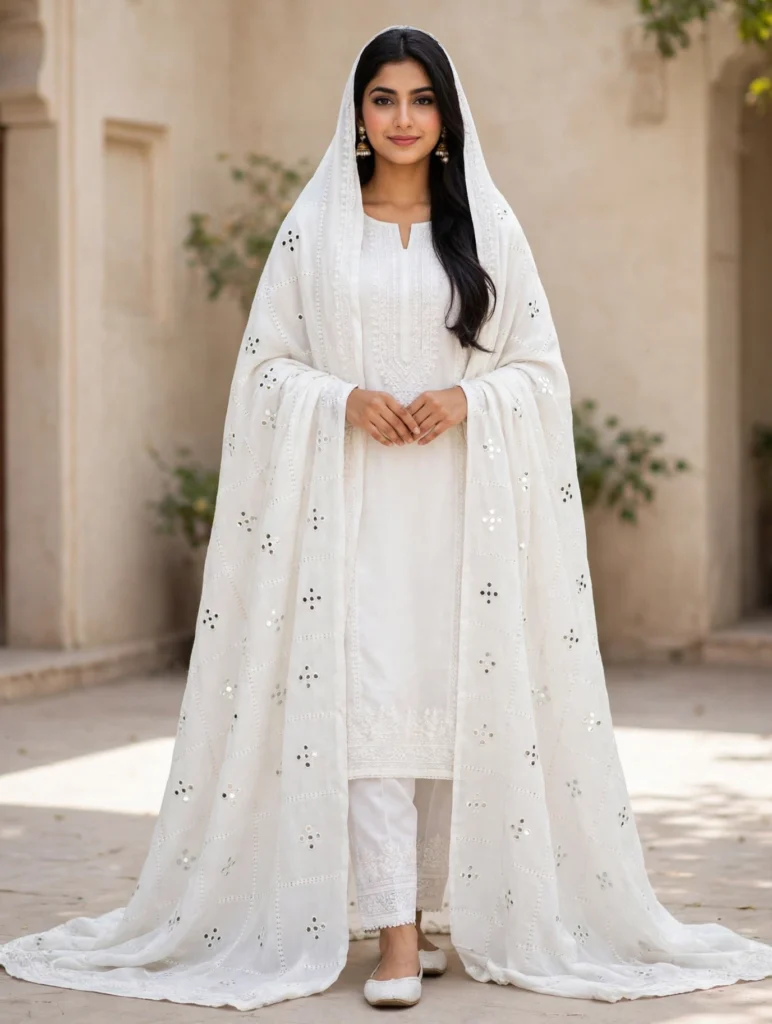
A hand embroidered dupatta or chadar is made to last for years. Most damage comes from washing it like everyday clothes: hot water, harsh detergent, scrubbing and the washing machine. Follow these simple steps and your embroidery, colours and mirrors will stay beautiful.
Before the first wash
- Check the label or ask the seller. Heavy work, gotta and mirror pieces are safest with dry cleaning.
- Do a colour test. Dab a hidden corner with a damp white cloth. If colour comes off, wash that piece separately in cold water, or dry clean it.
- Wash it alone the first time. Deep colours like black, maroon and red can release a little dye at first.
How to hand wash an embroidered dupatta
- Use cold water. Hot water can fade colours and shrink thread.
- Add a mild detergent. A gentle liquid detergent or a little baby shampoo works well. Avoid bleach.
- Soak briefly. Let it sit for 5–10 minutes. Don’t leave it soaking for hours.
- Press, don’t scrub. Gently squeeze the water through the fabric. Never rub the embroidery against itself.
- Rinse in cold water until the water runs clear.
- Don’t wring. Roll it in a clean towel and press to remove extra water.
Drying
- Dry in the shade, not strong sunlight, which fades colours.
- Dry flat or over a line, with the embroidery facing inwards.
- Avoid tumble dryers.
Ironing
- Iron on the reverse side, on low to medium heat.
- Put a thin cotton cloth between the iron and the fabric.
- Don’t press directly on mirrors or gotta; iron around them.
- Georgette and chiffon need low heat; lawn can take a little more.
Special care by type
| Type | Best care |
|---|---|
| Thread embroidery on lawn | Gentle hand wash in cold water |
| Georgette dupattas | Gentle hand wash or dry clean; low-heat iron |
| Tarkashi with mirrors | Dry clean preferred; never machine wash |
| Gotta work | Dry clean; store away from moisture |
Read more about mirror work in our tarkashi and mirror work guide.
Removing small stains
- Act quickly and blot, don’t rub.
- Use a little cold water and mild detergent on the spot only.
- For oil or tough stains on heavy work, take it to a dry cleaner rather than scrubbing.
Storing your dupattas and chadars
- Make sure the piece is completely dry before storing.
- Fold with tissue paper between folds, especially over mirrors and gotta.
- Store in a cotton bag or wrap, not plastic, so the fabric can breathe.
- Refold differently every few months to avoid permanent creases.
- Keep away from damp corners to prevent mould and tarnish.
Common mistakes to avoid
- Washing machine on a normal cycle
- Hot water or bleach
- Wringing or scrubbing the embroidery
- Drying in harsh sun
- Ironing directly on mirrors or gotta
Shop hand embroidered dupattas from Multan
Looking for a new piece? Browse our Multani dupattas and Multani chadars, all embroidered by hand in Multan, with Cash on Delivery across Pakistan. Not sure if a piece is truly handmade? Read how to tell hand embroidery from machine embroidery.
RELATED POSTS
Hand Embroidered Dresses for Eid, Mehndi and Weddings: Styling Ideas
Styling ideas for hand embroidered suits, dupattas and Multani chadars for Eid, mehndi, weddings and dawats, with tips on colours, cuts and accessories.
Crinkle Chiffon Suits: Fabric Guide, Stitching Tips and Care
Everything about crinkle chiffon suits: what crinkle chiffon is, why it is popular for embroidered 2 piece suits, stitching tips, lining and how to wash it.
Ribbon Work Embroidery Dresses: Designs, Styling and Care
What ribbon work embroidery is, which designs suit ribbon work dresses, how to style a ribbon work suit and how to look after the raised ribbon flowers.
Aari Work Embroidery: What It Is, How It Is Made and How to Spot Real Aari Work
A simple guide to aari work embroidery: the hooked needle, the adda frame, the chain stitch it makes, and how to tell real hand aari work on suits.
Multani Embroidery Suits Price in Pakistan: What Decides the Price (2026 Guide)
What decides the price of Multani hand embroidered suits, dupattas and chadars in Pakistan, and how to know you are paying a fair price for real handwork.
How to Buy Embroidered Clothes Online in Pakistan: A Safe Shopping Checklist
A simple checklist for buying embroidered suits, dupattas and chadars online in Pakistan: real photos, colour, fabric, policies, safe payment and checking your parcel.
Unstitched Embroidered Suit Stitching Ideas: Designs and Tailor Tips
Practical stitching ideas for unstitched embroidered suits: necklines, shirt cuts, sleeves, trousers and what to tell your tailor before cutting.
Multan Handicrafts: Embroidery, Blue Pottery, Camel Skin Lamps & More
A guide to the handicrafts Multan is famous for: hand embroidery, blue pottery, camel skin lamps, khussa and more, with buying tips.
Why Handmade Embroidery Costs More (and Why It’s Worth It)
What really goes into the price of Multani handmade embroidery: time, skill, materials and the artisans behind every piece.
Handmade Gifts from Multan: Ideas for Family at Home and Abroad
Thoughtful handmade embroidery gift ideas from Multan, plus how to send a gift to family in Pakistan or abroad.
Gotta Work: A Simple Guide to the Festive Embroidery
What gotta is, how gotta work is made, popular styles, how to check quality and how to care for it.
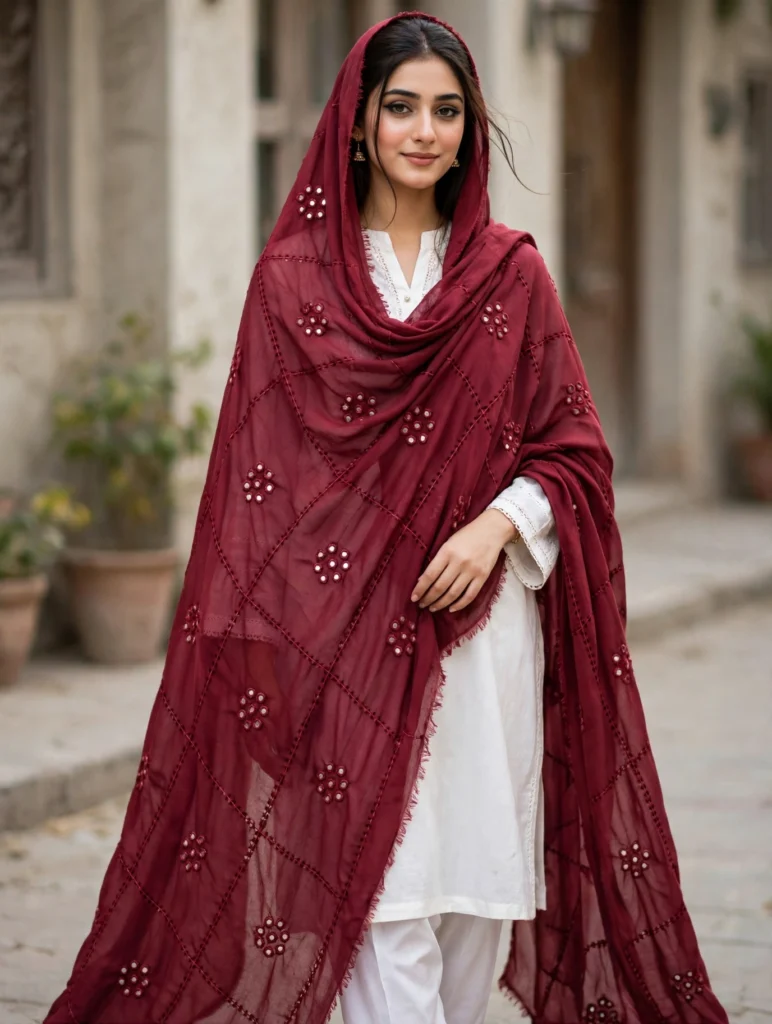
How to Style a Multani Chadar for Every Occasion
Easy ways to style a Multani embroidered chadar for everyday wear, Eid, gatherings and weddings, with colour and draping tips.