Cash on Delivery across Pakistan · Delivery in 3–5 working days · WhatsApp 0301 8633968

RELATED POSTS
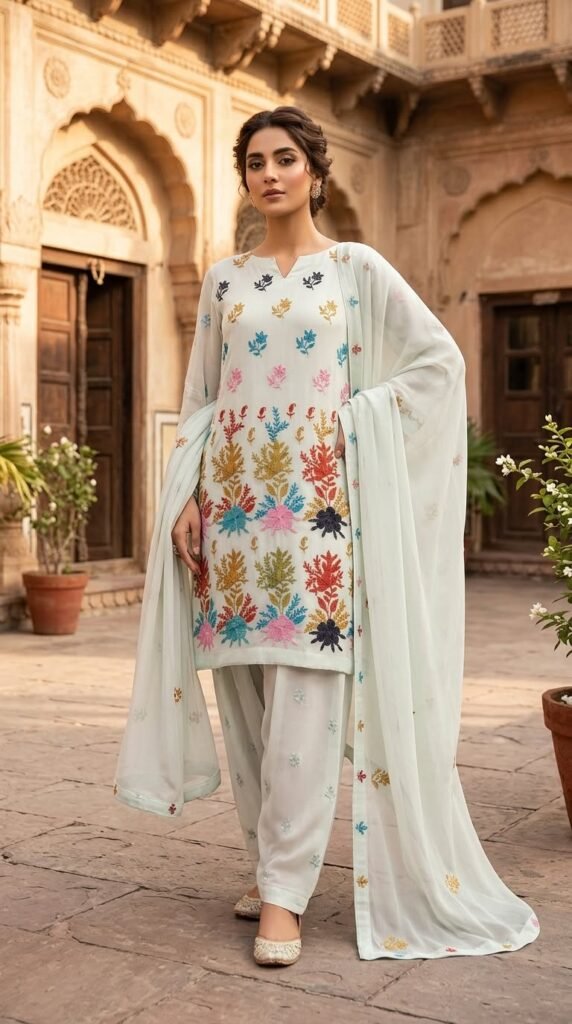
Hand Embroidered Dresses for Eid, Mehndi and Weddings: Styling Ideas

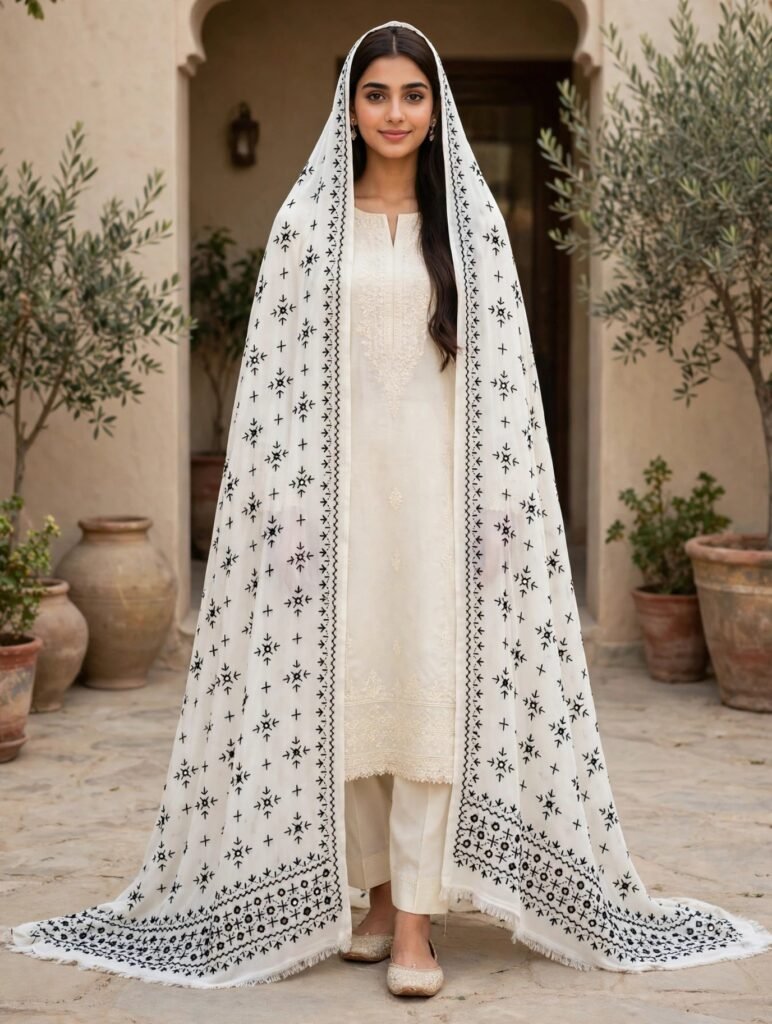
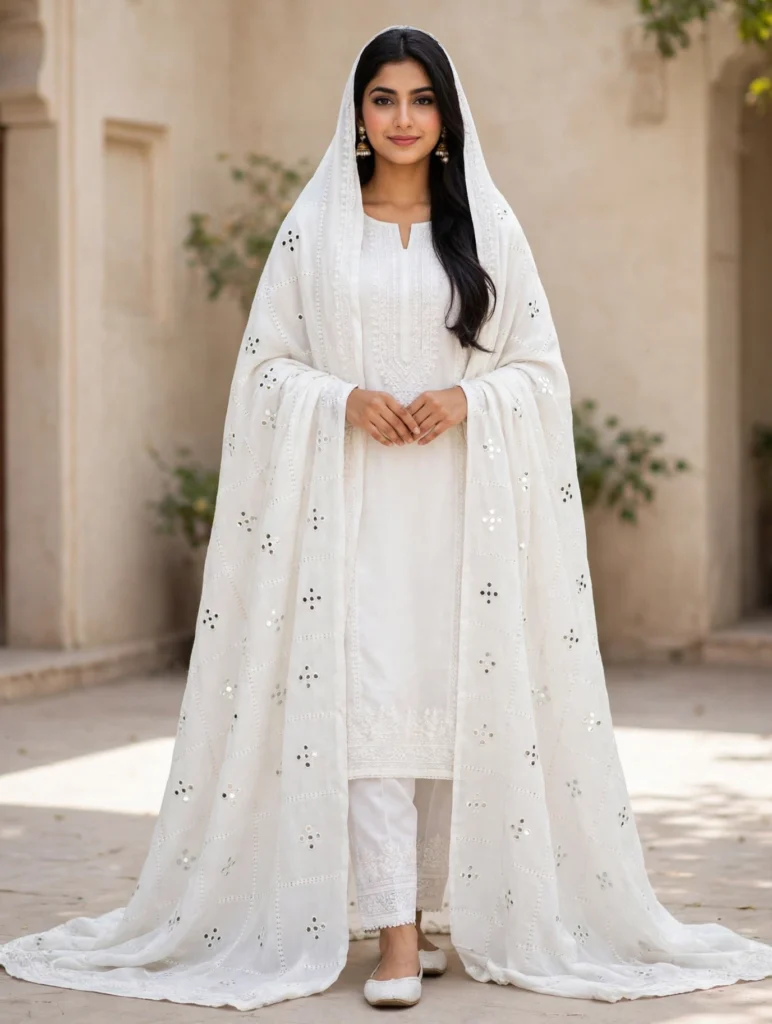
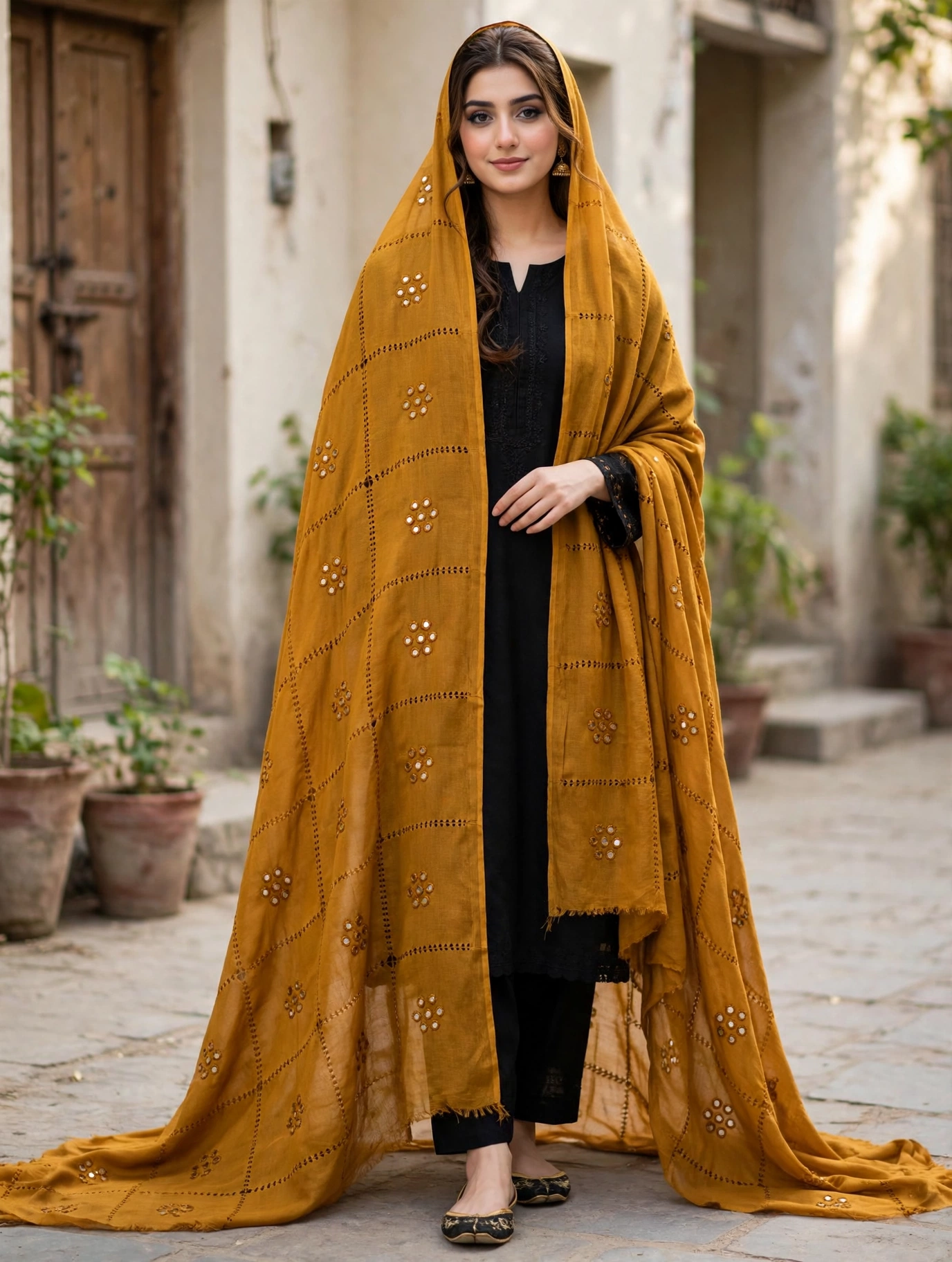
Styling ideas for hand embroidered suits, dupattas and Multani chadars for Eid, mehndi, weddings and dawats, with tips on colours, cuts and accessories.
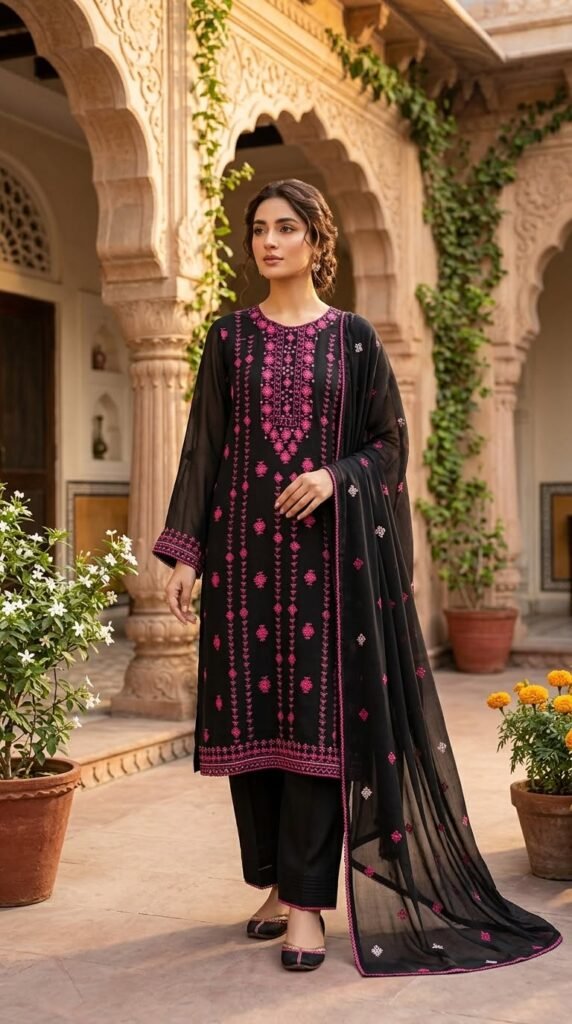
Crinkle Chiffon Suits: Fabric Guide, Stitching Tips and Care
Everything about crinkle chiffon suits: what crinkle chiffon is, why it is popular for embroidered 2 piece suits, stitching tips, lining and how to wash it.

Ribbon Work Embroidery Dresses: Designs, Styling and Care
What ribbon work embroidery is, which designs suit ribbon work dresses, how to style a ribbon work suit and how to look after the raised ribbon flowers.
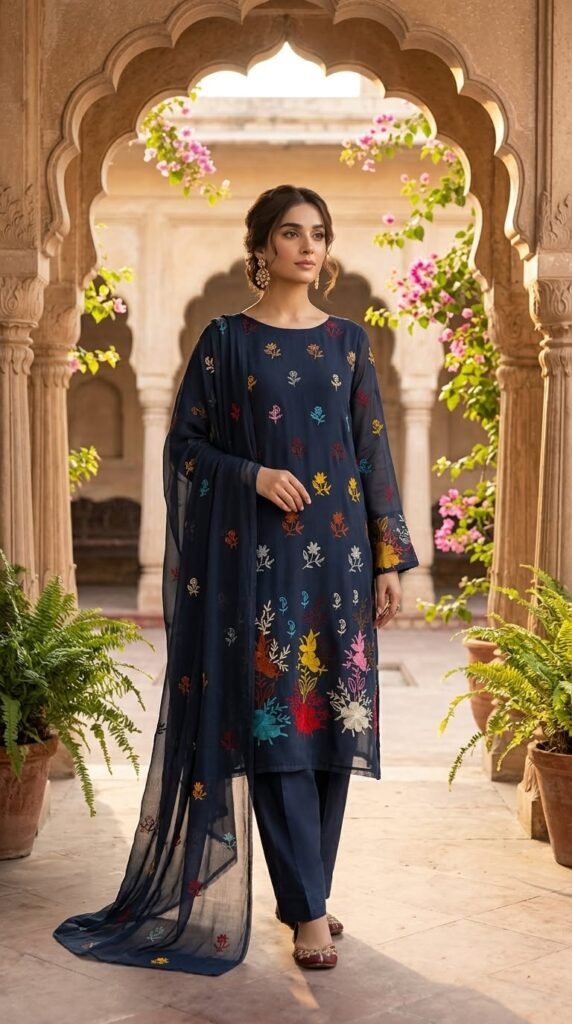
Aari Work Embroidery: What It Is, How It Is Made and How to Spot Real Aari Work
A simple guide to aari work embroidery: the hooked needle, the adda frame, the chain stitch it makes, and how to tell real hand aari work on suits.

Multani Embroidery Suits Price in Pakistan: What Decides the Price (2026 Guide)
What decides the price of Multani hand embroidered suits, dupattas and chadars in Pakistan, and how to know you are paying a fair price for real handwork.

How to Buy Embroidered Clothes Online in Pakistan: A Safe Shopping Checklist
A simple checklist for buying embroidered suits, dupattas and chadars online in Pakistan: real photos, colour, fabric, policies, safe payment and checking your parcel.

Unstitched Embroidered Suit Stitching Ideas: Designs and Tailor Tips
Practical stitching ideas for unstitched embroidered suits: necklines, shirt cuts, sleeves, trousers and what to tell your tailor before cutting.

Multan Handicrafts: Embroidery, Blue Pottery, Camel Skin Lamps & More
A guide to the handicrafts Multan is famous for: hand embroidery, blue pottery, camel skin lamps, khussa and more, with buying tips.

Why Handmade Embroidery Costs More (and Why It’s Worth It)
What really goes into the price of Multani handmade embroidery: time, skill, materials and the artisans behind every piece.
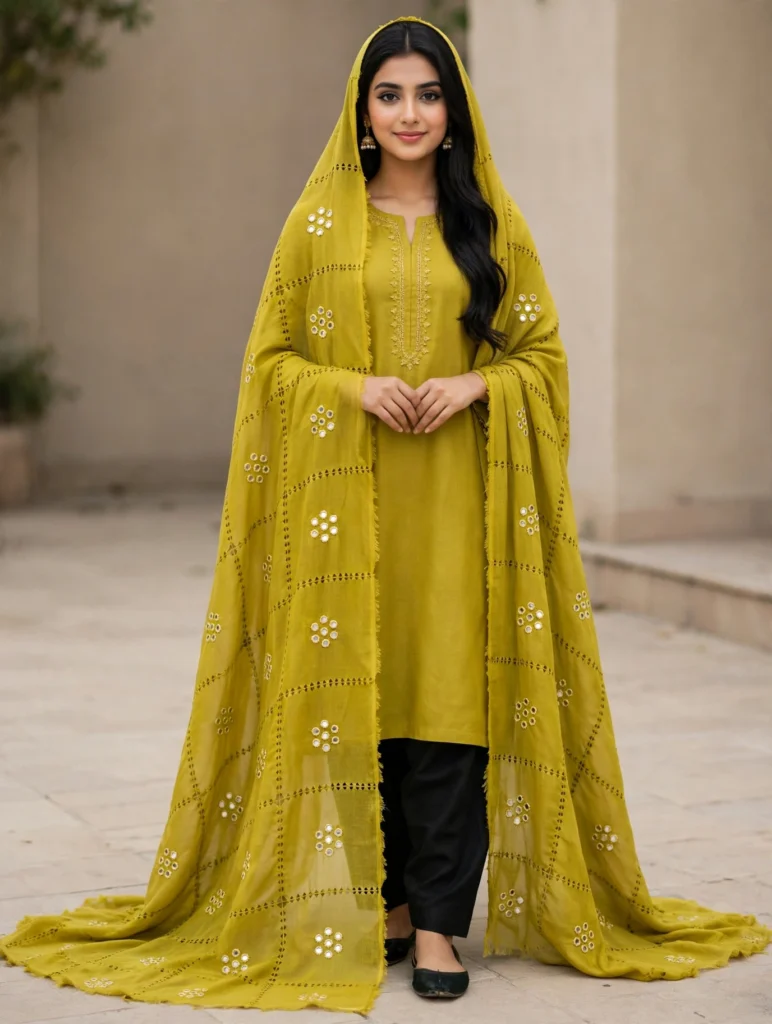
Handmade Gifts from Multan: Ideas for Family at Home and Abroad
Thoughtful handmade embroidery gift ideas from Multan, plus how to send a gift to family in Pakistan or abroad.

Gotta Work: A Simple Guide to the Festive Embroidery
What gotta is, how gotta work is made, popular styles, how to check quality and how to care for it.
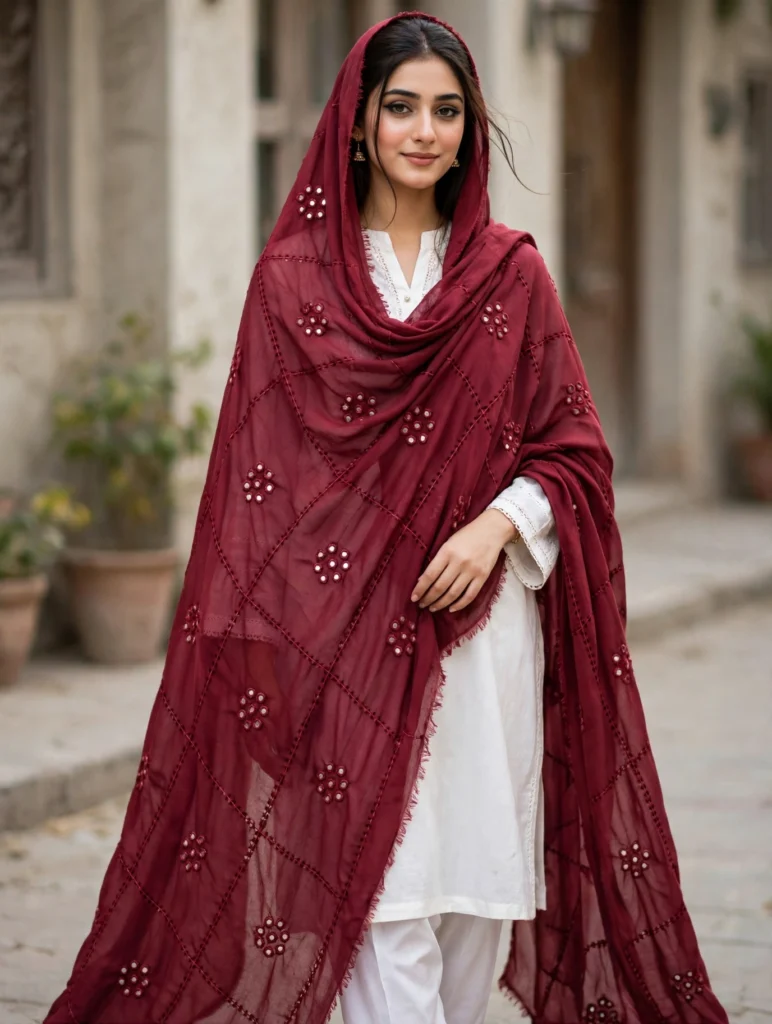
How to Style a Multani Chadar for Every Occasion
Easy ways to style a Multani embroidered chadar for everyday wear, Eid, gatherings and weddings, with colour and draping tips.